

Most companies pick an event partner the way they would pick a stationery supplier. Three quotes, a slide deck, a decision by Friday. Then, three weeks before the event, the AV vendor changes, nobody is sure who owns the run-of-show, and the budget has quietly grown.
The company was not necessarily bad. The buyer just never asked the questions that show how a team really works. If you are comparing a corporate event management company in Bangalore, these ten questions are a good place to start, along with what a good answer sounds like.
A one-page brief saves weeks. It should state the objective of the event, the expected headcount, a date range, a budget range and what a good result would look like afterwards. Without it, every company sends back a generic proposal and you end up comparing decks instead of ideas.
Decide the event type too. A team that is strong on conferences and seminars may be thin on corporate family days, and the reverse is just as common. Tell the team early, because the right questions change with the format.
Send the same brief to a shortlist of three companies. Fewer than three leaves you with nothing to compare, and more than that adds noise without adding insight.
Ask for two or three comparable events, not a list of logos. A 100-person offsite and a 1,000-guest annual day are different jobs with different risks. A good answer includes something that went wrong and how it was handled.
The people in the pitch meeting are not always the people on the ground. Ask to meet the project lead, and ask how many events that person is handling at the same time.
You want itemised costs: venue, production, catering, décor, logistics, the company's own fee and a contingency. Ask what gets cut first if the budget drops by 15 percent. Vague answers here usually turn into expensive surprises later.
Some companies own their production, others subcontract most of it. Neither is wrong, but you should know which one you are buying, and who answers when the sound system fails at 7 PM.
A good partner names the risks before you do: a venue that books out early, a slow approval cycle on your side, a performer who needs advance clearance. For most corporate events, six to eight weeks is workable. Anything shorter should come with an honest conversation about trade-offs.
Ask about backup AV, a weather plan, vendor no-shows and how many people will be on the ground. The answer should be specific. "We will handle it" is not an answer.
Headcounts shift and leadership changes its mind. Ask how changes are logged, approved and priced, and whether that process is written into the proposal.
A reference call tells you more than a case study. Ask the client what did not go to plan and how the team responded.
A good company tells you your own deadlines: approvals, speaker details, guest lists, branding files. If a team asks for nothing from you, it is probably planning to assume things.
Look for answers that go past "it looked great". Attendance against registration, feedback collected on the day, photographs and content delivered on time, and a short debrief afterwards are all reasonable things to expect.
Once proposals arrive, put them side by side against your brief. Check what is included, what is excluded and what is simply assumed. Two quotes that differ by a few lakh rupees often differ in scope too: one may include an on-site production team and a backup sound system, while the other leaves both out. A cheaper proposal that omits half the work is not cheaper.
Score each company on four things: how well the concept answers your objective, how clear the costs are, who will be on the ground, and how they responded to your questions. The team that asked you the most useful questions in the first meeting is usually worth a second one.
A few things should slow you down:
A single total with no itemised costs
A concept deck that could belong to any company, with no reference to your objective
Pressure to confirm a venue before the format is agreed
No named person responsible on event day
Claims of being "the best" with no references to back them up
An "all-inclusive" price with no written scope
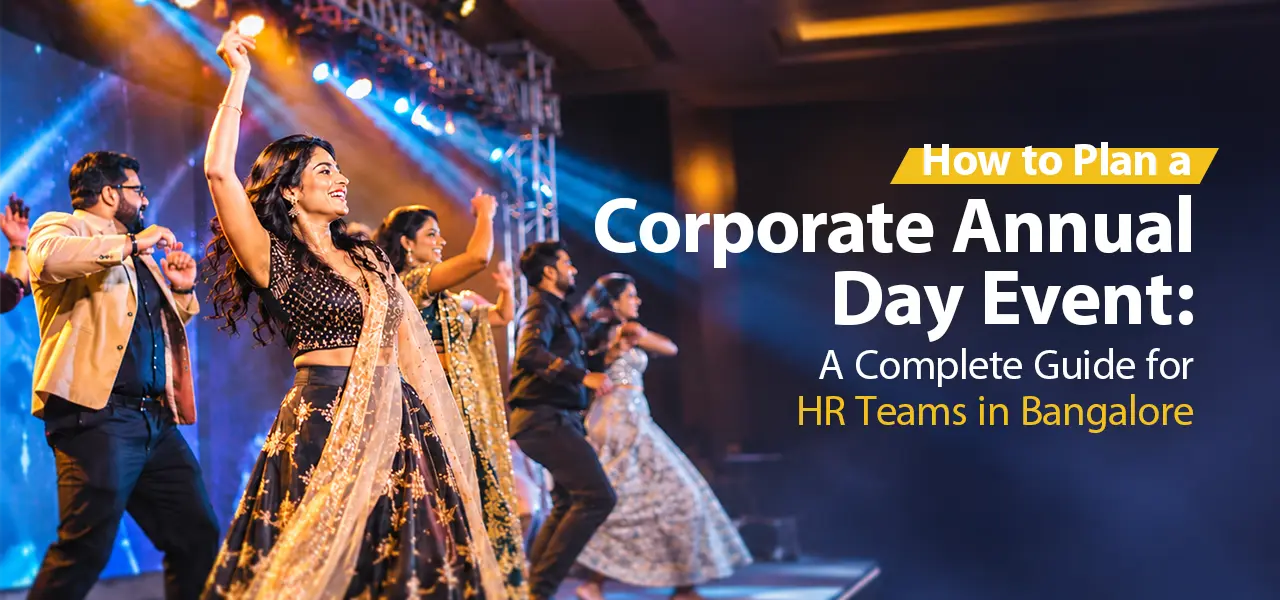
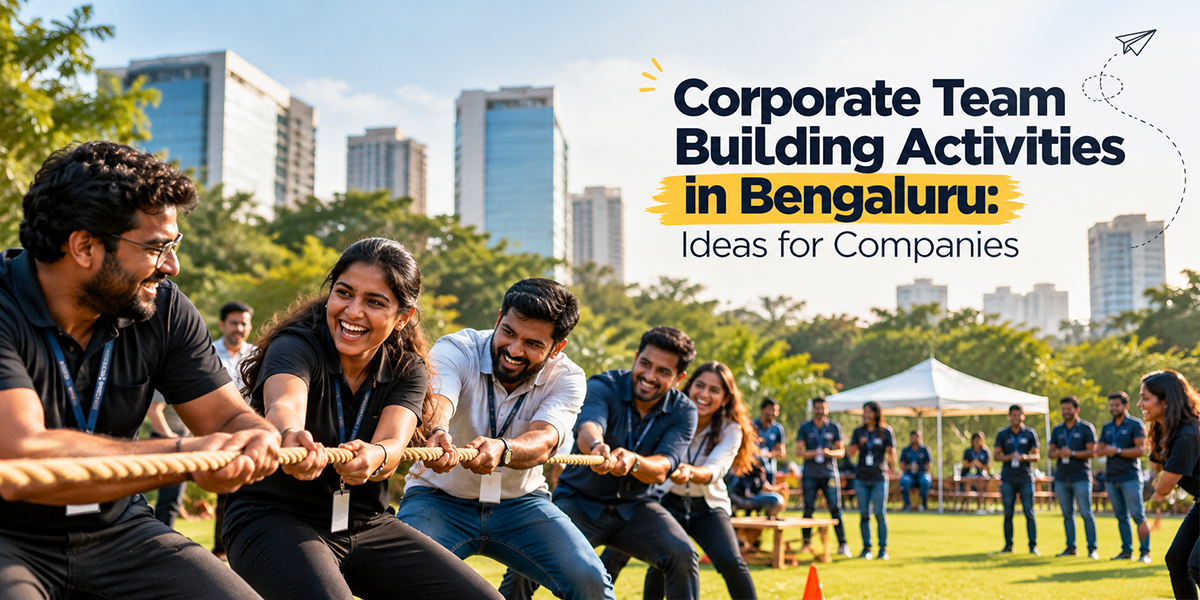
Different events test different skills. Product launches need AV, staging and media handling. Corporate family days depend on crowd flow, activities for children and safety. Team building and employee engagement programmes need activity design more than heavy production. MICE programmes add travel, accommodation and destination logistics. A team that is excellent at one format will not automatically be strong at another, so ask for experience in yours.
We would rather you ask us these ten questions too. Erigo Events is a corporate event management company in Bangalore that plans product launches, annual days, corporate family days, team building programmes, conferences and MICE events, from the first brief through to the post-event debrief.
If you have a date and a rough brief, send it across to the Erigo Events team and we will tell you honestly what is workable.